Let’s be brutally honest: the peer-to-peer (P2P) cryptocurrency market is one of the most lucrative hubs for cash flow in Web3. By taking advantage of regional currency inefficiencies, capital controls, and localized demand, arbitrage merchants can routinely generate consistent daily yields. Naturally, when there is money to be made, the promises of automation quickly follow.
Browse YouTube or crypto forums for ten minutes, and you will be bombarded with videos promising "passive income" via automated P2P arbitrage bots. These creators show sleek dashboards, custom scripts, and claim you can make thousands of dollars a day while you sleep.
Unfortunately, in the real world of P2P trading, fully automated bots are a fast track to getting your bank account frozen, your assets stolen, or your wallet drained.
In this comprehensive guide, we will break down the structural, security, and financial reasons why automated P2P bots are a massive hazard, why manual trading remains superior, and how you can leverage the P2P Companion Calculator as your manual "trading engine" to secure risk-free spreads.
The Illusion of the "Set-and-Forget" P2P Bot
To understand why P2P automation is dangerous, we must look at how P2P trading differs from standard CEX or DEX spot trading.
On a centralized exchange like Binance Spot, or a DEX like Uniswap, the entire transaction lifecycle happens within the blockchain or the exchange's ledger. A bot can detect a price gap, execute a buy order, transfer the asset, and sell it—all in a fraction of a second via APIs.
P2P trading, however, is a hybrid system. It involves two distinct worlds:
- The Crypto Escrow: Handled on the exchange (e.g. Binance, OKX, Bybit).
- The Fiat Settlement: Handled outside the exchange (e.g. your local bank, Wise, Skrill, Revolut).
Because bank accounts and fiat payment apps do not have open, instant, and permissionless API access for retail crypto traders, a bot cannot log into your bank account, send a wire transfer, or verify that cash has cleared.
Here is an educational video explaining the fundamental workflow and security steps of manual P2P trading to help visualize why manual oversight is necessary:
3 Critical Risks of Automated P2P Bots
If a bot cannot handle the banking side, what do "automated P2P bots" actually do? They automate the order creation and ad posting on the crypto exchange side. And that is exactly where the disasters happen.
1. The Threat of "Triangle Fraud" (Which Bots Cannot Detect)
Triangle fraud is the most common and destructive scam in P2P history. It involves three parties:
- The Scammer
- The Innocent Victim (who thinks they are buying something else online, like a laptop)
- The Crypto Merchant (You)
The scammer creates a P2P buy ad on Binance to buy USDT from you. Simultaneously, they post a fake listing for a laptop on a local classifieds site. When the victim tries to buy the laptop, the scammer gives them your bank account details (collected from your P2P order). The victim transfers fiat to your bank account. You see the money arrive, release the USDT to the scammer, and the scammer vanishes with the crypto.
Weeks later, the victim realizes they were scammed, reports the transaction to the bank, and the bank immediately freezes your entire checking account for receiving fraudulent funds.
Why Bots Fail: A bot only checks if the amount received matches the order. A bot cannot check if the name on the bank sender's account matches the KYC-verified name on the exchange profile. Only a human merchant can cross-reference the names on their ledger before releasing crypto.
2. API Key Exposure and Wallet Drainers
Most "automated bot" tutorials on YouTube are malicious Trojan horses. They instruct you to copy and paste Python or Solidity code, create API keys on your exchange with "Trade" permissions, and run the script.
- The Trap: If you run unverified third-party code, your API keys are compiled and sent back to the creator's server.
- The Drain: Even without "Withdrawal" permissions, a hacker can use your API keys to execute "wash trades" on low-liquidity coins. They buy a worthless coin on their account, pump it, and force your account to buy it from them at 1000x the price via your API key. Your capital is drained instantly.
3. Fake Receipt & SMS Spoofing
Sophisticated scammers use automated tools to send fake bank SMS alerts or generate highly realistic PDF payment receipts. If a bot reads the notification channel or automatically releases the crypto when a "payment confirmed" button is clicked by the buyer, it will release the crypto before the fiat has actually cleared.
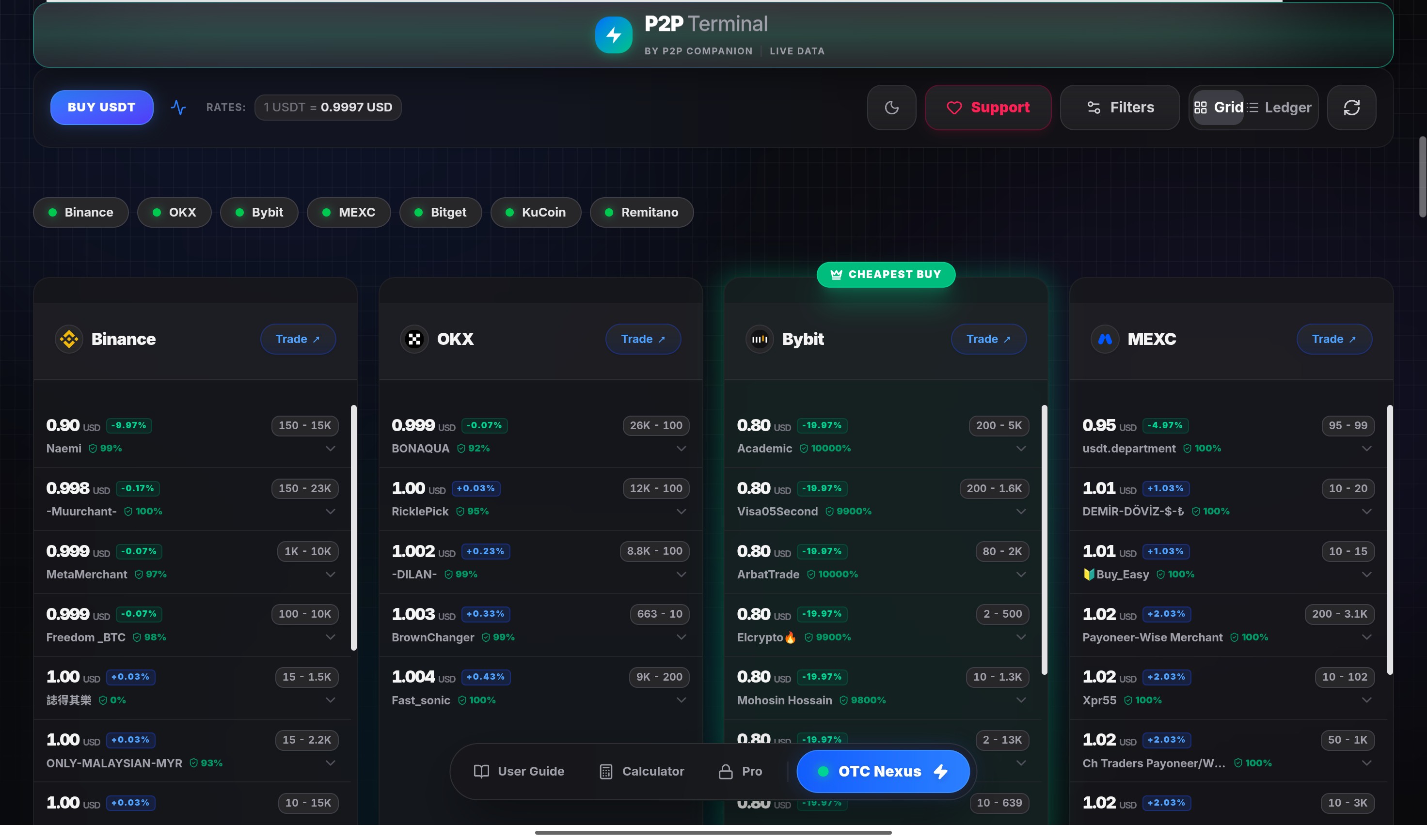 Figure 1: While automated systems excel at raw speed, manual execution protects capital from social engineering, chargebacks, and account freezes. (Alt: Visual diagram comparing automated bot risks vs manual P2P trading security).
Why Manual Calculation Wins (The Margin Advantage)
In P2P arbitrage, speed is secondary to accuracy.
Unlike spot market arbitrage where spreads exist for milliseconds, P2P spreads exist because of real-world friction (payment processing times, banking hours, verification steps). A spread can easily stay open for hours.
Therefore, you do not need a millisecond-fast bot. You need a precise calculator that guarantees you don't lose money on hidden fees.
Manual P2P trading allows you to:
- Negotiate Limits & Payment Terms: Talk directly with verified merchants in the chat to waive fees.
- Manually Clear Balances: Never release crypto until you physically open your official mobile banking app and see the settled ledger balance.
- Factor in Complex Fees: Maker vs. taker fees, bank transfer fees, and remittance margins change dynamically. A static bot cannot calculate this fluidly.
How to Use P2P Companion as a Manual Trading Engine
Instead of risking your capital with unverified bots, you can structure your trading workflow by using the P2P Companion Calculator as a manual control center.
Follow this step-by-step checklist to trade like a professional merchant:
Step 1: Run the Delta Scan (Identify the Spread)
Go to the P2P Companion Terminal. Set your target fiat (e.g. NGN, TRY, ARS) and compare the live buy rates on Bybit with the sell rates on Binance. Look for spreads wider than 1.5%.
Step 2: Input Capital in the Calculator
Open the P2P Profit Calculator. Input the exact capital you want to deploy.
- Input the Buy Price from the cheap exchange (e.g., Bybit).
- Input the Sell Price from the premium exchange (e.g., Binance).
Step 3: Factor in Exchange and Payment Fees
A common beginner mistake is ignoring payment processor fees.
- Set your Exchange Maker/Taker fees (typically 0.1% for Takers, or 0% for Makers on Bybit).
- Input your local bank fee or payment transfer fee (e.g., $1 fixed fee for bank wires).
Step 4: Calculate Remittance (For Cross-Border Spreads)
If you are doing cross-border arbitrage (e.g., buying USDT with USD via Wise, and selling it for NGN in Nigeria), toggle Cross-Border Mode in the calculator.
- Input the Skrill or Wise transfer rate.
- Input the remittance fee (e.g. 0.5% Wise fee).
- The calculator will instantly display your Net Arbitrage Margin.
Step 5: Execute and Verify
If the calculator shows a green, profitable margin, open the trades manually:
- Initiate the buy order on Bybit.
- Send the payment. Once the crypto is secured, move it to Binance.
- Post a sell ad on Binance.
- Crucial Step: When a buyer opens an order, verify their KYC name matches the bank sender. If it matches, and the ledger shows the cleared funds, release the crypto.
Conclusion
Automating your ads can save you time, but automating your P2P payments and escrow releases is an open invitation to scammers. By combining the real-time data visibility of the P2P Companion Terminal with the precise margin calculations of the P2P Profit Calculator, you can build a highly profitable, 100% secure, and sustainable manual arbitrage business without ever risking your API keys or banking credentials.
Ready to search for your next spread? Head over to the Live P2P Terminal and run your calculations today!